

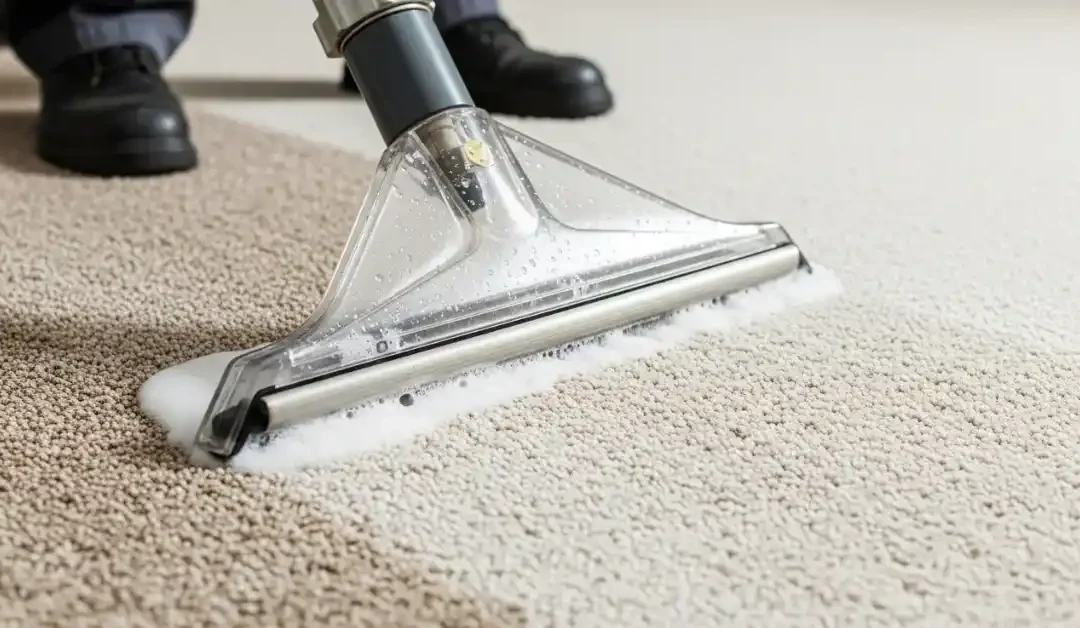
Carpets need sufficient drying time after cleaning to maintain their texture, appearance, and hygiene. The drying duration depends on the carpet’s fibre type, thickness, room ventilation, and indoor humidity. In Brisbane, high humidity, especially during the summer months, can extend drying times. Carpets left damp for too long may develop odours or mould, affecting indoor air quality. By following correct drying practices, it guarantees carpets stay fresh, healthy, and safe for everyday use. Efficient airflow and moisture removal are essential for faster drying.
Factors That Affect Carpet Drying Time
Carpet Fibre Type
Different fibres retain moisture differently. Natural fibres like wool or cotton absorb more water and take longer to dry, while synthetic fibres such as polyester or nylon release moisture faster. Thick or dense carpets trap water in deeper layers, increasing drying time. Different carpet fibres retain water differently, and understanding their properties helps set realistic expectations and guarantees proper post-cleaning care. Fibre composition also affects how the carpet feels after drying.
Humidity Levels
Indoor humidity plays a key role in carpet drying. High humidity slows evaporation because the air already contains moisture. Low humidity allows water to evaporate more quickly, reducing drying time. In Brisbane, coastal and subtropical weather can increase moisture in the air, making airflow and ventilation particularly important. Proper airflow and ventilation speed up drying, and carpets stay fresh longer with indoor humidity under control. Proper humidity management also helps avoid mould and odour.
Ventilation and Air Circulation
Air circulation is critical for even carpet drying. Rooms with poor ventilation trap moisture, leaving damp spots and slowing the process. Proper airflow allows fibres to release moisture evenly, achieved by opening windows or placing fans strategically. Continuous circulation prevents uneven drying and reduces the risk of bacterial growth. Proper ventilation keeps carpets looking fresh and maintains their texture over time.
Water Extraction Quality
The effectiveness of water removal during cleaning directly affects drying time. High-quality extraction removes most moisture, speeding up the process. Insufficient suction traps water in the fibres, prolonging drying time. Proper extraction also prevents the development of odour or mould beneath the carpet. Investing in reliable cleaning equipment ensures faster, safer drying.
Steps to Dry Your Carpet Quickly
Open Windows for Natural Airflow
Open windows on opposite sides of the room to let air move through and remove moisture from carpet fibres. Cross ventilation dries the carpet evenly and reduces cleaning product smells. Brisbane’s mild coastal air makes the process faster and more comfortable. Open spaces allow damp areas to dry steadily.
Use Fans to Improve Air Movement
Place fans around the room to push air through the carpet and speed up drying. Proper positioning ensures all areas receive airflow. Thick or high-pile carpets benefit most, as fibres release trapped moisture and dry evenly. Steady air keeps the carpet soft and fresh.
Turn On the Air Conditioning
Turn on the air conditioning to lower indoor humidity and help carpets dry faster. Moisture leaves the fibres, preventing damp spots from forming. AC maintains a steady drying process during Brisbane’s humid summer. Temperature and humidity control protect carpet fibres and reduce odours.
Move Furniture or Create Space
Move heavy furniture to prevent trapped moisture and improve airflow. Space around or under the carpet lets air reach all areas. Carpets dry evenly, reducing mold risk and keeping fibres from flattening. This step is especially important for dense or high-pile carpets.
Lift Carpet Edges
Raise carpet edges or corners so trapped air can escape. Thick or high pile carpets benefit most, as underlayers often stay damp. Air circulation beneath the carpet prevents hidden wet spots and ensures even drying. Regular checks help remove water from all areas.
Avoid Walking on the Carpet
Do not walk on a wet carpet, as foot traffic compresses fibres and leaves marks. Leaving the carpet untouched allows moisture to evaporate evenly. This preserves texture and appearance, guaranteeing the carpet dries fully and stays fresh.
Use a Dehumidifier
Run a dehumidifier to remove extra moisture from the air and speed up carpet drying. This works well in Brisbane’s humid months. Controlled humidity helps fibres dry evenly, prevents odours, and reduces mould risk, keeping indoor spaces safe and comfortable.
Common Mistakes That Slow Carpet Drying
Efficient carpet drying requires careful handling after cleaning. Many homeowners make simple mistakes that extend drying time and affect carpet quality. Awareness of these errors helps carpets dry faster and stay in good condition. Brisbane’s subtropical humidity makes avoiding these mistakes even more important. Correct drying practices prevent odour, mould, and fibre damage.
Over-Wetting the Carpet During Cleaning
Too much water leaves excess moisture trapped in carpet fibres. This practice increases drying time and can cause odour or mould growth. Thick or high-pile carpets retain water more easily. Use controlled amounts of water and proper extraction methods. Avoid soaking the carpet to protect fibres and speed up drying.
Not Using Proper Extraction Equipment
Weak or shallow extraction leaves water deep within carpet fibres. This problem prolongs drying and creates hidden damp spots. High-quality extraction machines remove water effectively. Proper extraction decreases mold risk and keeps carpets fresh. In Brisbane, where humidity slows evaporation, this step is crucial.
Blocking Airflow with Furniture
Heavy furniture over wet carpets traps moisture and slows drying. Carpets may also flatten over time if airflow is blocked. Move furniture temporarily or create space around it to let air circulate. Even airflow ensures consistent drying across the carpet and preserves its texture.
Leaving Carpet in Direct Sunlight for Too Long
Too much sunlight can fade colours and damage fibres. Sunlight helps evaporation, but prolonged exposure harms delicate materials. Balance airflow, shade, and indirect sunlight during drying. Controlled exposure protects fibres and maintains the carpet’s original appearance.
Table of Key Factors and Tools That Affect Carpet Drying
| Factor / Tool | Impact on Carpet Drying | Tips / Recommendations |
| Carpet Fibre Type | Natural fibres (wool, cotton) hold more water; synthetic fibres (polyester, nylon) dry faster | Know your carpet fibre to estimate drying time and choose the extraction method accordingly |
| Humidity Levels | High indoor humidity slows drying; low humidity speeds up evaporation | Use air conditioning or dehumidifiers in Brisbane’s humid months |
| Ventilation & Airflow | Poor airflow prolongs drying; good circulation speeds it up | Open windows, use fans, and ensure cross-ventilation |
| Water Extraction Quality | Weak extraction leaves moisture trapped; strong extraction reduces drying time | Invest in professional-grade cleaning machines or hire experts |
| Furniture Placement | Heavy furniture blocks airflow and traps moisture | Temporarily move furniture or lift carpet edges during drying |
| Fans | Circulate air and help fibres release moisture | Place strategically around the room to cover the entire carpet area |
| Air Conditioning | Reduces indoor humidity and accelerates drying | Maintain controlled temperature and humidity during humid Brisbane days |
| Dehumidifier | Removes excess moisture from the air | Ideal for high-humidity conditions or when natural airflow is insufficient |
| Direct Sunlight | Speeds evaporation but can fade colours if overexposed | Use indirect sunlight or balance with shade to protect fibres |
| Walking on Carpet | Compresses fibres and traps moisture | Avoid until the carpet is fully dry to maintain texture and even drying |
Conclusion
Proper carpet drying keeps carpets clean, fresh, and long-lasting. Fibre type, humidity, ventilation, and extraction affect drying time. The drying process becomes faster with fans, air conditioning, and dehumidifiers. Mistakes like over-wetting or blocking airflow should be avoided to ensure even drying and prevent mould.
FAQs
How long does it take for a carpet to dry after professional cleaning?
Most carpets dry within 6 to 12 hours, depending on fibre type and thickness. High humidity or limited airflow can extend the drying period. Proper ventilation and effective water extraction reduce the wait significantly.
Can I walk on my carpet before it is fully dry?
Foot traffic on a damp carpet compresses fibres and slows drying. It may also leave dirt or marks on the surface. Carpet texture and appearance remain preserved when it is allowed to dry completely.
Does Brisbane’s humidity affect carpet drying?
High humidity slows water evaporation and extends drying time, particularly in summer months. Fans, air conditioning, or dehumidifiers remove moisture efficiently. Even airflow prevents damp spots and keeps carpets fresh.
How can I speed up carpet drying at home?
Cross-ventilation and fans improve airflow across the carpet. Lifting edges allows trapped water beneath fibres to escape. A dehumidifier ensures even and faster drying in humid environments.
Which carpet fibres dry the fastest?
Synthetic fibres such as polyester and nylon release moisture quickly. Natural fibres like wool or cotton hold more water and require additional time. Dense carpets generally retain moisture longer and need extra care.
Is sunlight safe for drying carpets?
Direct sunlight may fade colours and weaken fibres when exposure is prolonged. Indirect sunlight or balanced airflow accelerates evaporation without damage. Proper drying protects carpet appearance and quality.
How does furniture placement affect drying?
Heavy furniture blocks airflow and traps moisture under the carpet. Proper airflow occurs by creating space or moving furniture temporarily. Proper airflow ensures consistent drying and prevents hidden damp spots.
Do I need special equipment to dry carpets faster?
Fans, dehumidifiers, and air conditioning effectively remove moisture from carpets. Professional-grade water extraction during cleaning also speeds up drying. These methods are especially useful in Brisbane’s humid climate.